


Why is eco-products useful?
Despite the fact that for a number of reasons eco-friendly products are more expensive than those that use various chemicals, they are still in high demand. This is due to the fact that more and more people are becoming concerned about their health and the health of their loved ones, as well as the environment. Today there is a world trend for conscious consumption of goods.
So, let us stress once again why you should give preference to ecological goods:
- these products have no harmful effects on the environment;
- Most ecologically produced products are durable and resilient to their environment;
- they do not cause allergic reactions, and therefore are suitable even for allergic persons.
The advantages of ecological products include the following:
- absence of stabilizers, GMOs;
- Production of products without phenol, as well as chemical preservation and other harmful substances;
- have a high nutritional value, have a beneficial effect on the body;
- no growth stimulants, chemical fertilizers, or hormones are used in the cultivation of organic products;
- natural taste and pleasant aroma.
Today, manufacturers offer a wide range of organic products for all tastes and wallets, which do not contain phosphates and other harmful chemicals.
-
What Are the Cleanest Fruits?
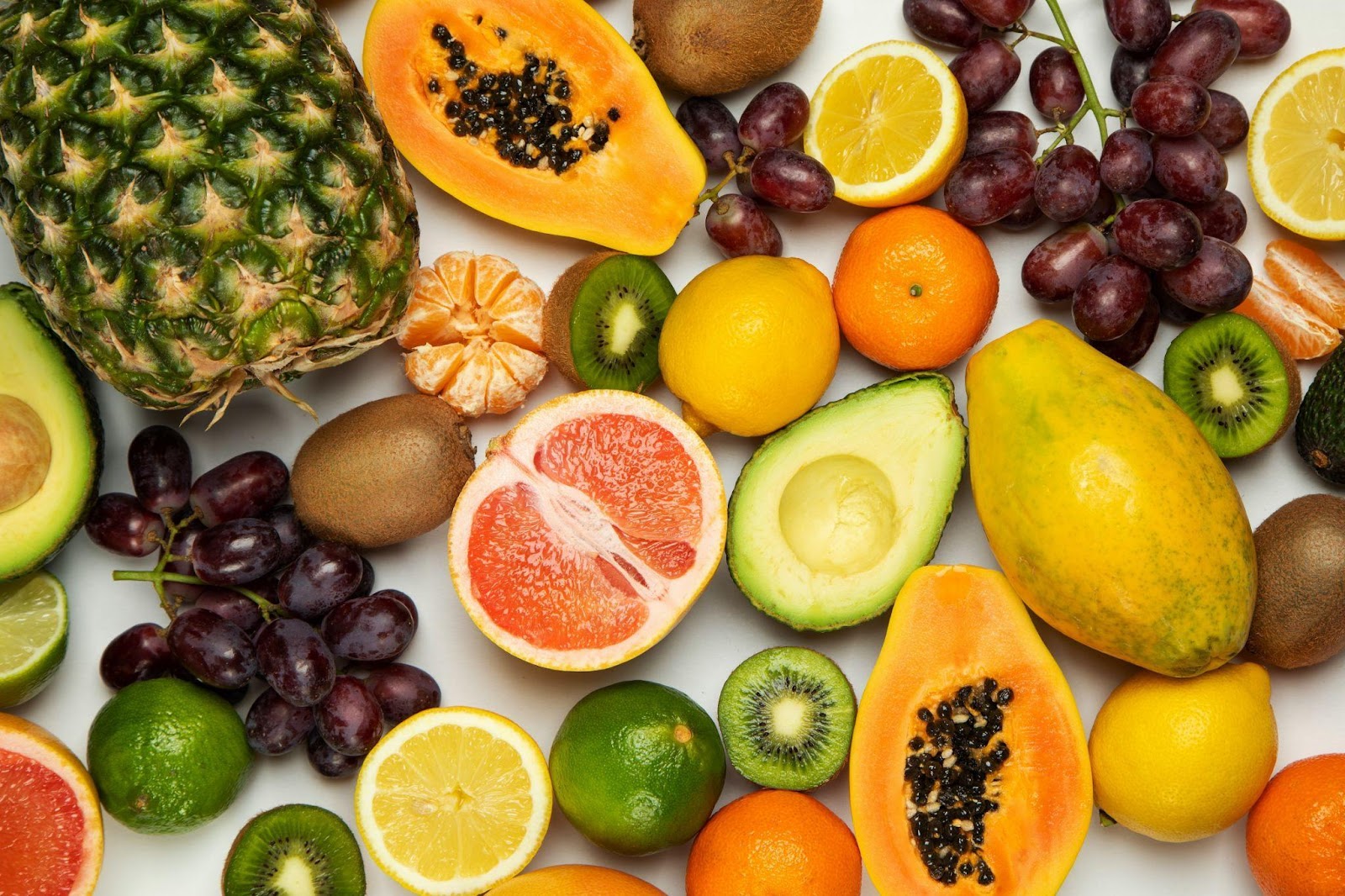
You have probably heard the quote, “An apple a day keeps the doctor away,” more than once. This common English proverb emphasizes how indispensable fruits are to maintaining good health. Fruits provide a rich source of vitamins, minerals, and antioxidants for proper bodily functions. They aid in maintaining a healthy weight, boosting the immune system, […]
-
Eco-Fruits That Are Most Often Found in Online Casinos
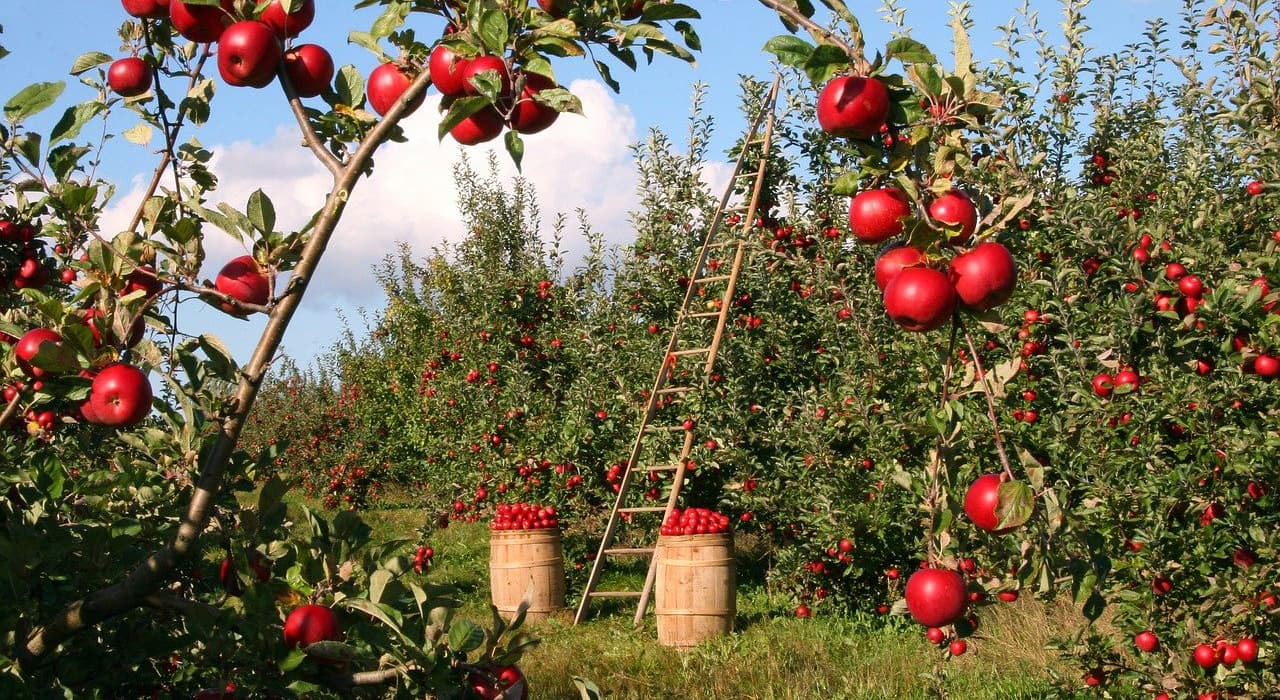
Are you looking for a fun and convenient way to enjoy gambling while supporting environmental causes? If so, check out the eco-friendly slot games available in many online casinos. These games feature vibrant and refreshing eco-fruits that provide thrilling entertainment and promote sustainable practices and environmental awareness. Let’s embark on a fruity adventure as we […]
-
Accessories made of environmentally friendly materials

The condition of planet Earth leaves much to be desired. Ecological problems are connected with numerous emissions into the atmosphere, constant pollution of water bodies. Global warming out of theory has become an actual reality. Part of this problem is solved by ecological accessories. Such goods began to rapidly gain popularity, they are presented in […]
-
What can be done to support the environment?
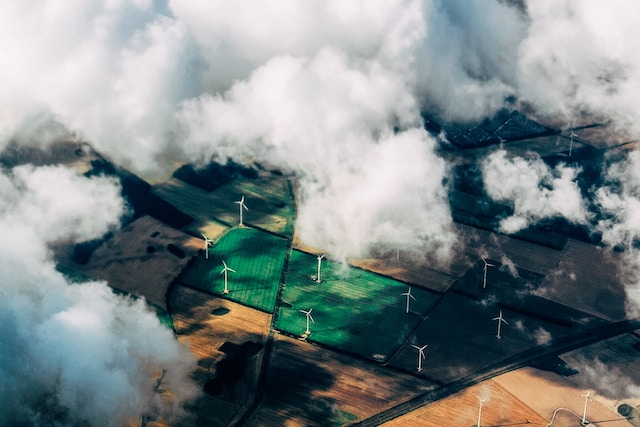
Environmental problems are so serious that they affect the whole world. The earth is not in the best shape right now, and people are to blame. They don’t use natural resources economically, and they throw away too much garbage. We need to work together to solve this problem. Spread the word The best place to […]
-
Ecodesign as a Modern Aesthetics

Our houses, clothes, transport, and future are design projects. And if the first items on the list should make life easier and more comfortable, the last one is related to the concept of sustainable development. Its purpose is to meet our needs and, most importantly, the needs of future generations. Therefore, Ecodesign is a complex […]